Just fill out the form, and our representative will contact you soon.
Join the Cybercrime Fighters Club
Please review the following rules before submitting your application:
1. Our main objective is to foster a community of like-minded individuals dedicated to combatting cybercrime and who have never engaged in Blackhat activities.
2. All applications must include research or a research draft. You can find content criteria in the blog. Please provide a link to your research or research draft using the form below.
The High-Tech Crime Trends Report 2026 reveals how this shift has industrialized cybercrime, exposed the limits of perimeter-based defenses, and elevated identity and trust as the new primary attack surfaces.
In the past, groups such as MoneyTaker, Silence, and Cobalt shook the financial sector with bold, high-impact attacks. While they’ve faded from the spotlight, the threat hasn’t diminished but has instead evolved. Today, actors like UNC2891 represent a new wave: better prepared, technically sophisticated, and operationally disciplined. This group tries not to attract attention, but it’s quietly achieving results, targeting financial institutions with advanced tactics and tailored campaigns.
Persistence and Stealth through Advanced Malware:
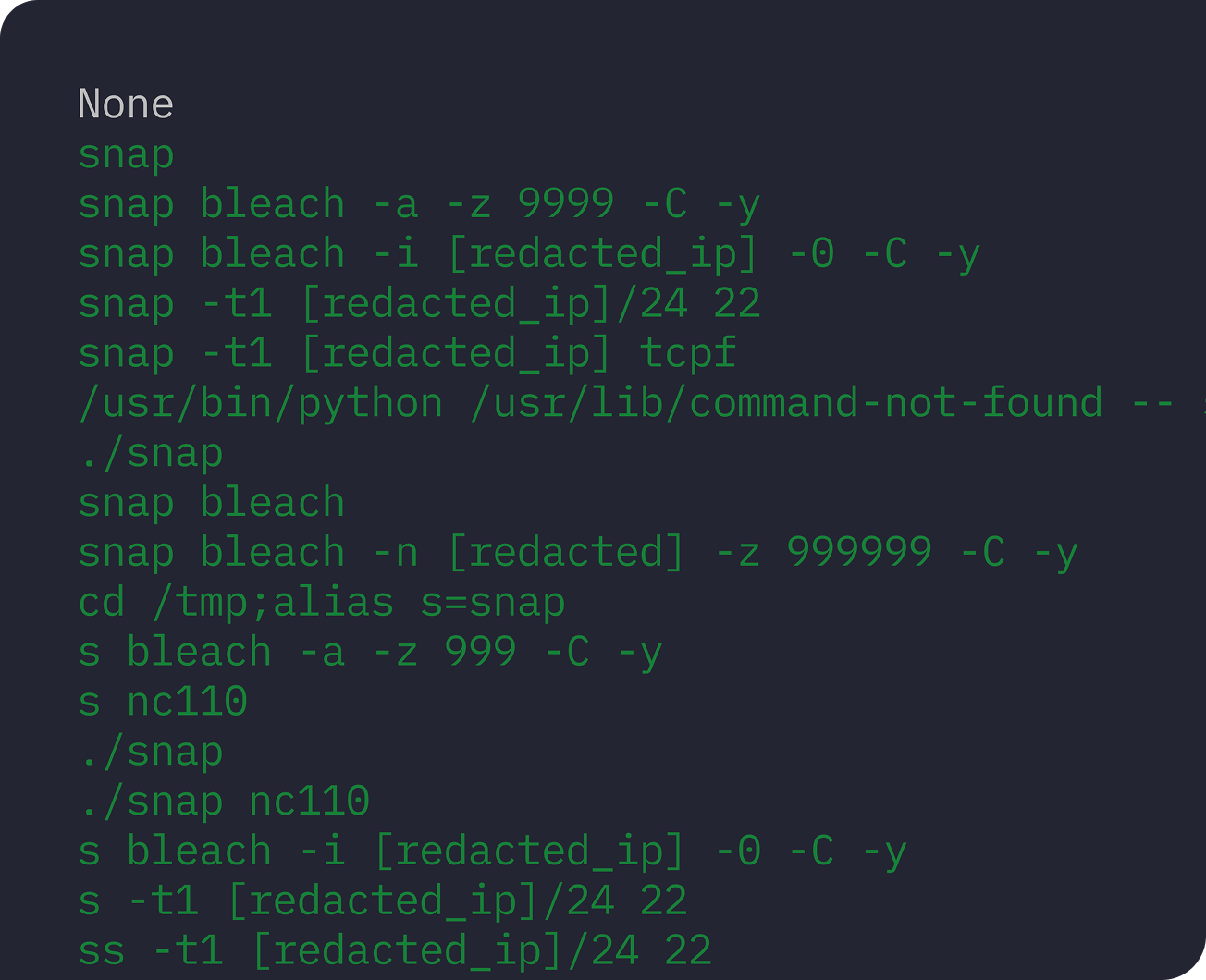
UNC2891 deployed a range of custom malware, including CAKETAP (a Solaris/Linux rootkit), SLAPSTICK (PAM backdoor with “magical password”), TINYSHELL (backdoor), WINGHOOK (keylogger), and LOGBLEACH/MIGLOGCLEANER (log wipers). These were disguised with legitimate-looking filenames, encrypted logs, timestomping, and obfuscation to stay undetected for years.
Long-Term Compromise of Banking Infrastructure:
In several cases, attackers maintained undetected access for years (earliest compromise traced back to 2017) across dozens of hosts. They infiltrated ATM switching servers, production servers, and jump hosts, using chained backdoors and modified binaries to ensure persistence.
Previously Undocumented Attack Vectors, and Lateral Movement:
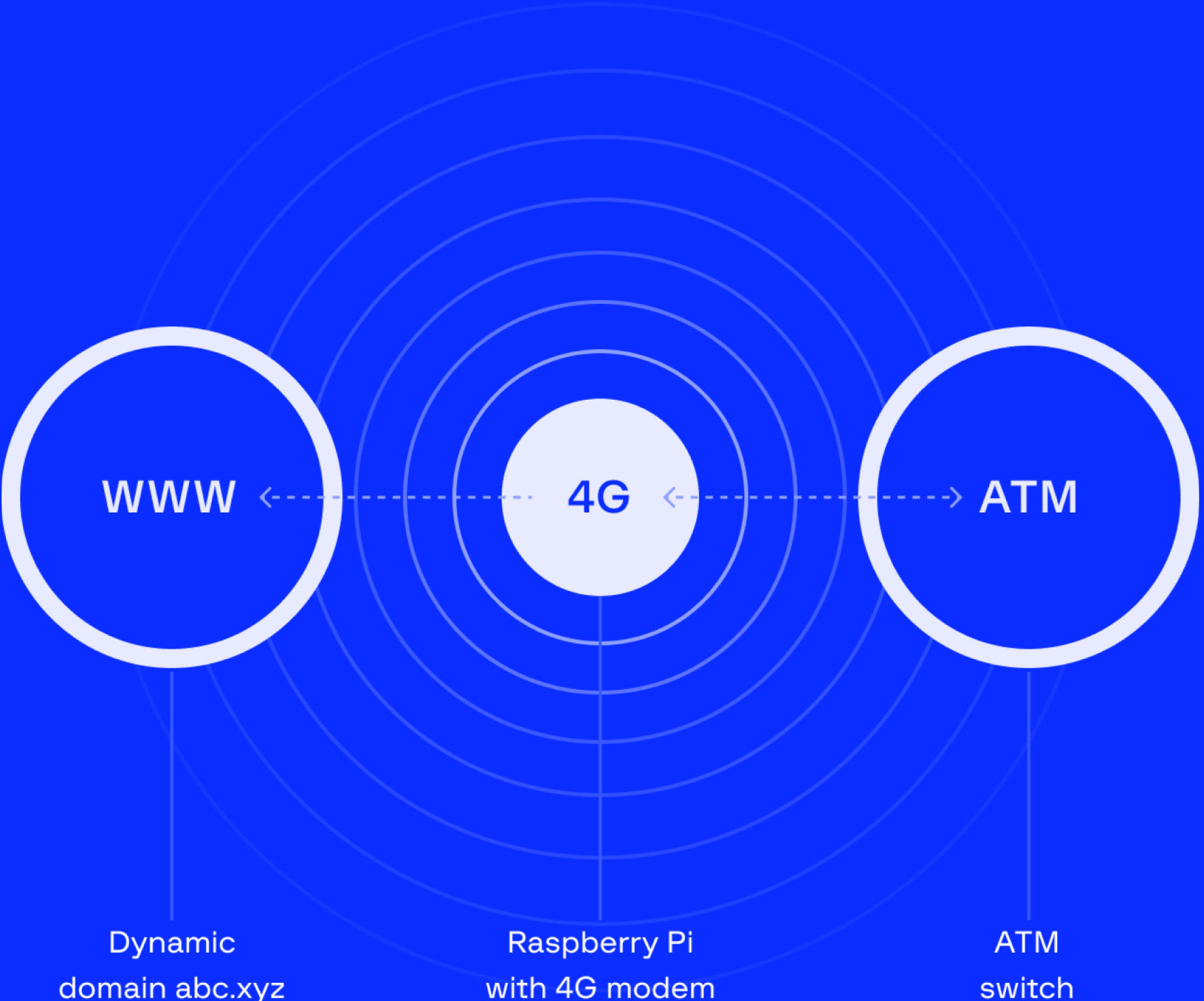
UNC2891 demonstrated creativity in infiltration and lateral movement, including physically attaching a Raspberry Pi to ATM network switches, exploiting SSH with SLAPSTICK’s magical password, and leveraging stolen credentials via WINGHOOK. For covert command-and-control, the group relied on tunneling tools like iodine (DNS tunneling) and OpenVPN, chaining backdoors across multiple hosts to sustain access.
Money Mule Operations and ATM Cash-Outs:
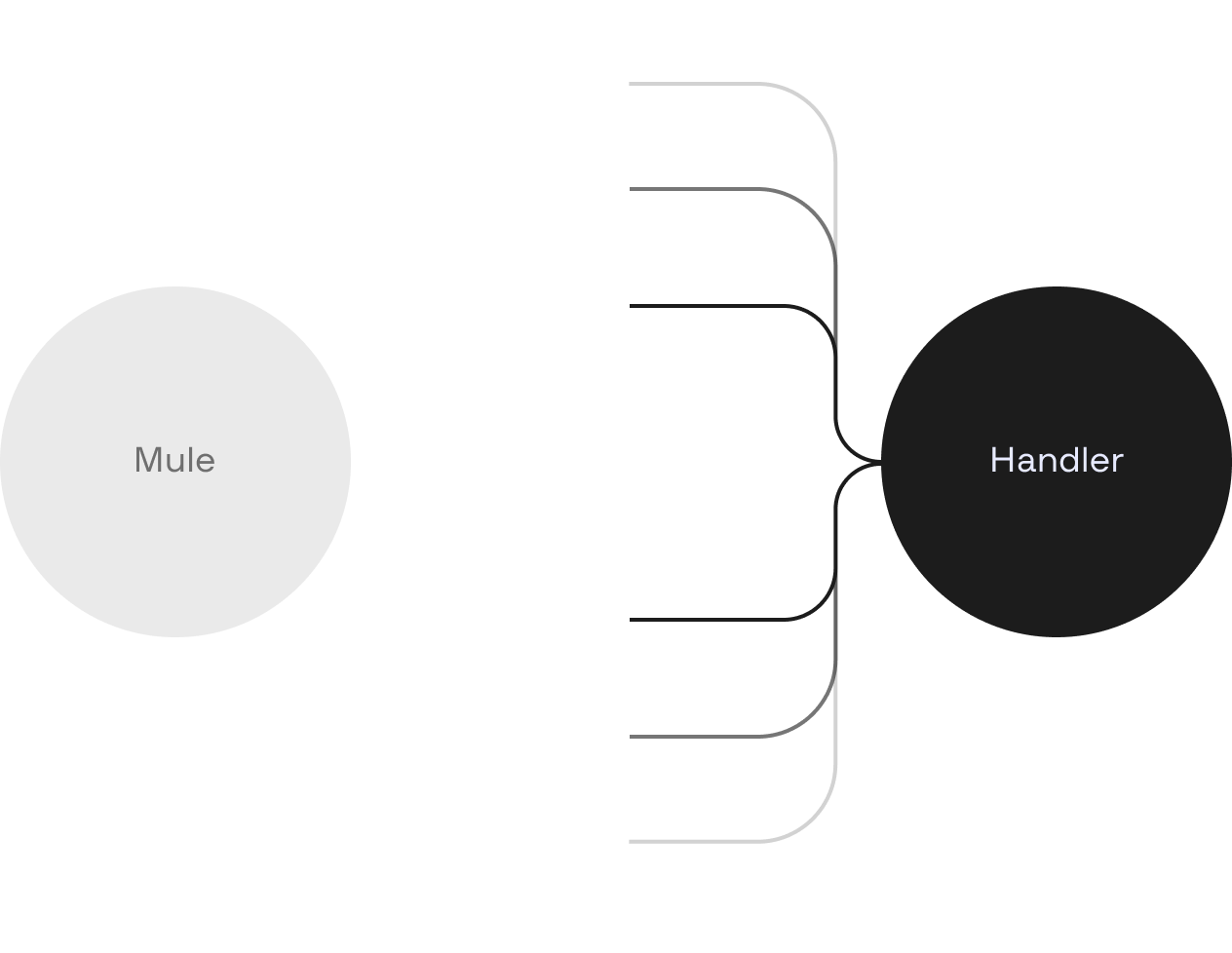
The group ran sophisticated money mule recruitment operations, often via Google ads or Telegram. Mules received cloned card equipment and instructions over TeamViewer. Attackers guided them step-by-step to insert cloned cards into ATMs, enabling large-scale cash-out operations while distancing themselves from direct exposure.
In this report
We share our key investigative findings and observations:
General kill chain of compromise of target networks:
We will examine three incident response cases that Group-IB specialists handled on behalf of their clients over these past several years.
Detailed attackers' tactics, techniques, and procedures (TTPs):
We will provide an in-depth description of the TTPs employed by the attackers in the observed attacks.
Malware and related artifacts:
We will also present a comprehensive list of malware used by the attackers, highlighting their similarities across different attacks, and examine other related artifacts.
Recruitment and management of money mules:
We will provide insights into how the attackers hire and manage money mules, including the instructions they provide to the money mules, where they are recruited, and how they interact.
Advanced protection against cyber threats
Group-IB’s security ecosystem provides comprehensive protection for your IT infrastructure based on our unique cyber intelligence and deep analysis of attacks and incident response.
We see the full picture of the evolving cyber threat landscape thanks to unique tools for monitoring the infrastructure used by cybercriminals and data from battlefields: