
























Introduction
The iGaming industry thrives on innovation, and generative AI seems like the next wave of exciting advancement. However, this cutting-edge technology also creates new opportunities for fraudsters to cheat the system and exploit unsuspecting players. Therefore, operators, players, and the iGaming industry as a whole need to understand how generative AI can reshape the fraud landscape.
Understanding Generative AI’s Disruptive Power
Generative AI systems excel at creating original content. While AI-driven enhancements – personalized and lifelike gaming experiences for users can be remarkable, the experience isn’t stripped of significant cybersecurity challenges. Generative AI systems excel at creating original content. They can produce everything from realistic-looking player profiles to promotional materials that blend seamlessly with legitimate campaigns. This has serious implications for the iGaming industry, such as:
The Rise of Synthetic Players
Generative AI can create armies of fake player accounts with convincing histories and behavioral patterns. These “synthetic players” can then:
- Abuse bonuses and promotions: Fraudsters can exploit welcome bonuses or loyalty programs through a network of fake accounts, draining operator resources.
- Distort player analytics: Synthetic player activity can contaminate valuable data sets, making it harder for iGaming operators to spot real fraud patterns and optimize their platforms.
- Manipulate game outcomes: Bots can skew results, especially in games with smaller player pools, undermining the integrity of iGaming platforms.
Attacks Beyond Bots: Generative AI’s Dark Side
The consequences of AI-powered manipulations by threat actors extend beyond advanced bot attacks or sophisticated social engineering attempts. Fraudsters can exploit generative AI to impersonate customers, mimic personal appearances and voices, initiate unauthorized actions, and build fake identities, along with:
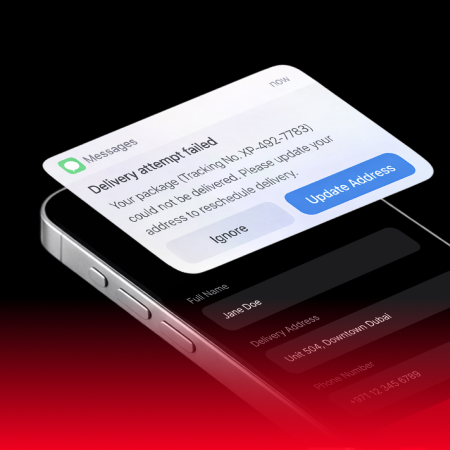
- Hyper-personalized phishing: Generative AI can craft incredibly targeted phishing attacks that mimic communications from your preferred iGaming site.
- Deepfaked customer support: Scammers might use deepfakes to impersonate customer support representatives, tricking players into giving login details or authorizing fraudulent transactions.
- Advanced social engineering: Generative AI could create fake social media profiles of industry VIPs or disgruntled players spreading rumors or false information.
Masking Fraudulent Activity: The Role of Anti-detect Browsers
Fraudsters often use antidetect browsers to hide their digital footprints, making their synthetic players or attack strategies harder to detect. These browsers allow them to manipulate their device fingerprints, browsing patterns, and geolocation, making it seem legitimate that users operate multiple accounts from different locations.
How To Protect The Integrity of iGaming?
A mainstream scenario over a year ago for adversaries orchestrating iGaming fraud was to seek stolen identities in underground markets and then create fake accounts on iGaming platforms. Verification checks often detected these accounts by checking the databases of leaked credentials. However, with the increasing use of generative AI, fraudsters now create synthetic identities from scratch and apply them across various aspects of the online iGaming ecosystem. Verification platforms need help to detect them through traditional means. As the fight against generative AI fraud gets tougher, iGaming businesses can surely bolster their defenses through a multi-faceted approach.
- Advanced fraud detection: Invest in AI-powered fraud detection systems, like Group-IB Fraud Protection. This solution analyzes user behavior and devices to detect synthetic players and flag suspicious activities.
- Data collaboration: Facilitate information sharing between operators within a secure framework to identify coordinated bot activity and cross-platform fraud trends.
- Player education: Empower players with knowledge about potential generative AI scams and encourage them to report suspicious activity.
- Regulatory vigilance: Collaborate with regulators to create guidelines for mitigating generative AI risks.
- Beating anti-detection techniques: Invest in security solutions incorporating advanced detection methods for identifying antidetect browsers and other attempts to mask fraudulent activity.
The Challenge Ahead
Generative AI thrives on data. While access to user data can provide valuable insights into their behavior and real-time context, one cannot overlook the significant security and privacy risks it poses. While generative AI fraud is still in its early stages, it can potentially disrupt the iGaming industry as threat actors leverage this new technology to plan and execute elaborate schemes. However, these risks can be managed by proactively adopting security measures, educating players about potential threats, fostering collaboration within the industry, and remaining vigilant against evolving fraud tactics.
About Group-IB Fraud Protection (FP)
Group-IB Fraud Protection is an advanced anti-fraud solution designed to counteract the most sophisticated fraud schemes against any business, regardless of the industry. Being acknowledged as the most complete anti-fraud solution in the market, Group-IB Fraud Protection helps you detect and deter complex fraud schemes such as social engineering attacks (phishing sites, email scams, etc.), user account fraud, payment fraud, malicious bot activity and AI-powered fraud, web injections, mobile trojans, malware-related and credit frauds, and more.
Learn how Group-IB helps the iGaming industry fight cybercrime
Look at our robust set of expertise and technology solutions!